Uncategorized

The Timeless Journey of the Carpet: From Primitive Flooring to the Heart of the Home

   The carpet is more than a floor covering; it is a silent witness to the memories stepped upon it, the hopes woven into it, and a warmth passed down through generations. In this article, we explore the journey of the carpet, which began on the cold floor of a cave and evolved into a work of art that warms our very hearts.

1. The First Touch: The Need for Protection and Storytelling

In ancient times, humans covered the cold stone of their cave shelters with animal hides to protect both their bodies and their dwellings.

This was the carpet's most primitive and purest form: a sense of shelter. Over time, as people learned to process plant fibers and wool, they began to weave their own stories into this simple covering.

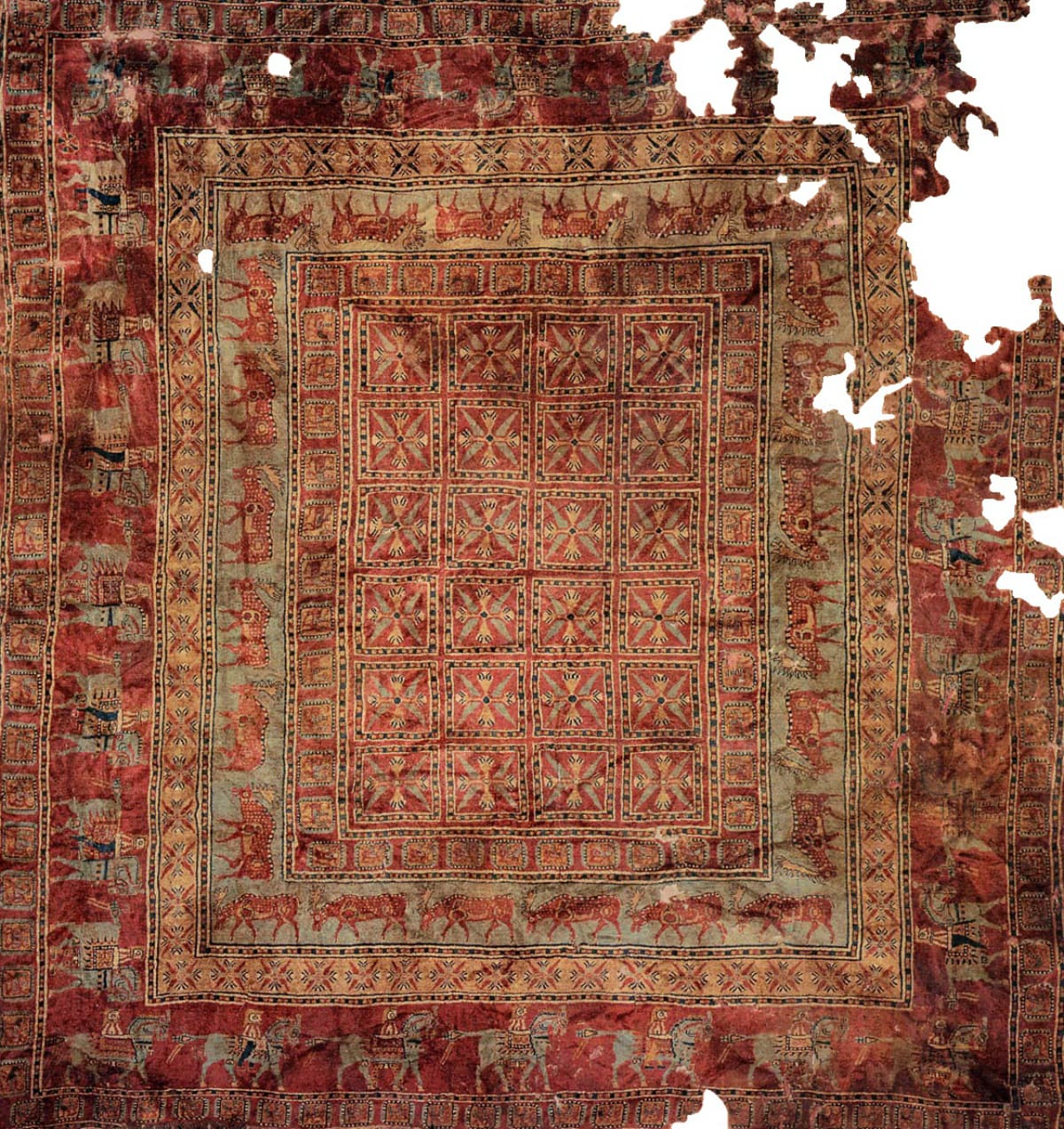
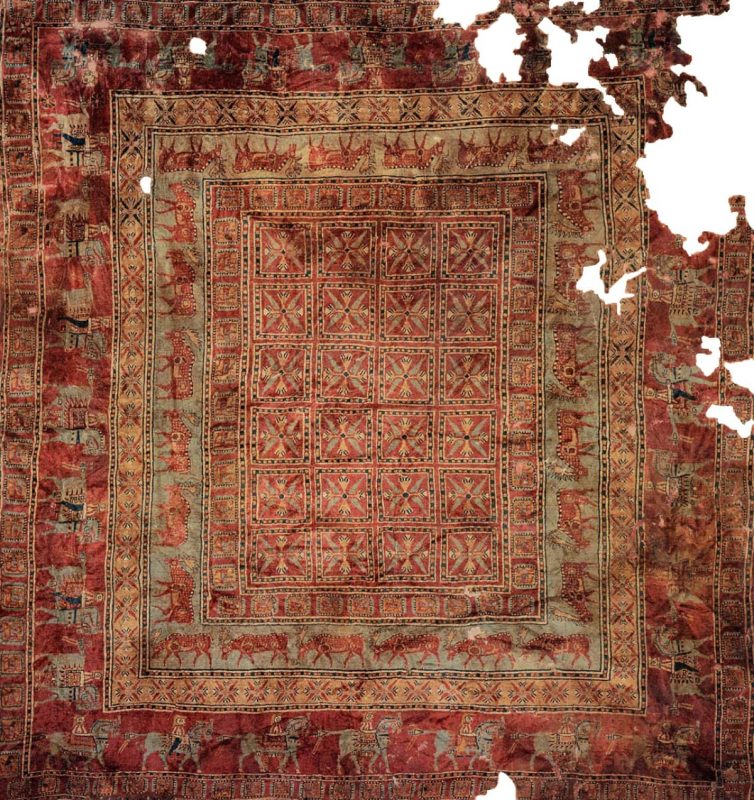
Each motif carried a wish, each colour a meaning. The Pazyryk Carpet, the world's oldest known rug, is evidence of this narrative power, emerging from beneath the ice.

2. The Rise of Art and Craft: Identity Woven Stitch by Stitch

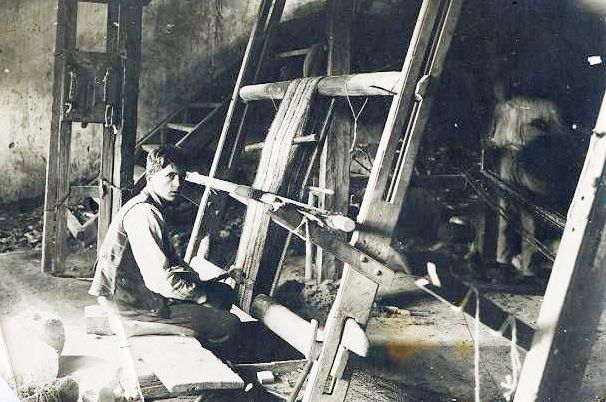
Carpets became a mobile home in nomadic tents, a treasure traded along caravan routes, and a symbol of splendour in palaces. In Anatolia, every village, every tribe had its own unique patterns, colours, and techniques.

Weaving a carpet was an art, a meditation, a letter left for the future. The women weaving infused the very language of the carpet with their passions, longings, and connection to nature, stitch by stitch. In this era, a carpet was not a mass-produced item but a crafted object with a soul.

3. The Machine Age: Accessibility and the Value of Handcraft

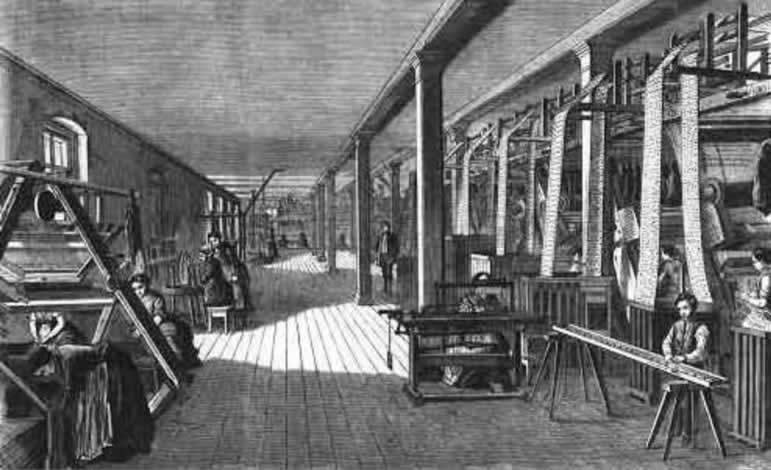
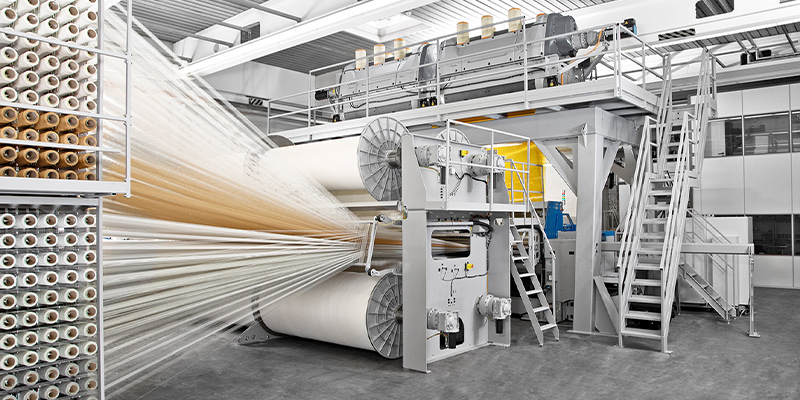
With the Industrial Revolution, mechanical looms brought carpets to a much wider audience. This was a revolution because now every home could adorn its floors with colour and pattern.

However, this process also highlighted the fact that hand-weaving was a rare and precious art. While mass-produced carpets offered a practical and beautiful solution for homes, handmade carpets, born of skill and patience, gained separate value as an inherited legacy and a worthwhile work of art.

4. Today and the Art of Balance: The Soul of the Past Meets the Possibilities of the Present

Today, the carpet industry offers a balance that brings these two worlds together:

  • Modern Interpretations of Tradition: Designers are reinterpreting century-old motifs with modern colour palettes and sizes suited for contemporary spaces, bringing tradition into today's homes.

  • Personalisation: Weave Your Own Story: Digital technology now allows everyone to transform their own story into a carpet. A family photo, your child's drawing, or a pattern you designed can be woven into the very heart of your home—the floor. This makes the carpet a deeply personal and emotional object.

  • Sustainable and Healthy Materials: Demand is growing for natural dyes, organic wool, cotton, and recycled yarns. A carpet is now seen not only as beautiful but also as a choice mindful of the environment and family health.

Conclusion: An Everlasting Warmth That Belongs to Home

The thousand-year journey of the carpet is, in fact, a reflection of humanity's quest to build a "home," beautify it, and leave its own mark. No matter how far technology advances, what we ultimately seek from a carpet remains unchanged: that warm, soft, and inviting feeling it gives us when we return.

Carpets of the future may become smarter, but they will never be more than a "device." Because their true value lies in the feeling they impart when touched, the beauty that appeals to the eye, and the warmth that seeps into our hearts. Against the cold face of technology, the carpet is the warm heart of the home.